IRON MAN 3: You’ll nevverrr seee itttt comminnggggg

The first of the summer 2013 blockbusters, Iron Man 3 gets the season off to a tremendously invigorating start. With a cracking script co-written by the creator of the highly sarcastic, superhero-deconstructing Brit TV show No Heroics, Drew Pearce, and genre king Shane Black, who also directs, this is a big, beautiful blast of pop culture awesomeness. That it just happens to handily redefine the superhero movie along the way is just an added bonus.

Spoilers

Spoilers

As many have pointed out, this looked like it was going to be something of an Iron Man Into Darkness kind of sequel, with all those previews of Tony talking about his nightmares, and getting his ass kicked. As it turns out, the movie is much more fun than those trailers would have had you believe. And the way it flips EVERYTHING on its head halfway through is fantastic, a scene of such staggering disbelief that you almost can’t take it in as you’re watching it. It’s a genius move from the writers. A twist that changes the movie, and the genre, that’s somehow also completely hilarious and brilliant. That, along with the live-wire one-liners that electrify pretty much every scene (with trademark Shane Black inclusivity, everyone from Tony to bit-part henchmen who only appear in one scene get great dialogue), make this a non-stop, old-school thrill ride.

It’s that combination of old-school banter, new-school psychological deconstruction (wait, come back!), and particularly post-postmodern meaningful twistiness and playful sincerity that formed the filmmakers’ answer to the big, giant, frankly terrifying question that loomed before them like Thanos himself: how the HELL do you follow The Avengers?

Bringing together the dry, wry British comedy stylings of Pearce with the 80s-soaked action/banter genius of Black was the beginning of the journey. They are the twin strands of Iron Man 3‘s ludicrously entertaining DNA. Its soul (we’re just going to proceed with some good old fashioned Cartesian duality here, m’kay?) is Robert Downey Jr. Because Black & Pearce can write the hell of out Tony Stark’s dialogue, but it’s Downey Jr that whips those words off the screen with the ultimate in nonchalant panache. Downey Jr IS Iron Man, to be honest. He’s the fortunate beneficiary of one of the strongest Marvel scripts yet, which gifts him with continued emotional complexity, and some stunningly inappropriate and therefore wonderful zingers.

He’s surrounded by extraordinary talent: Gandhi, Mike from Neighbors, the creator of GOOP… I mean it though: Ben Kingsley, Guy Pearce, Gwyneth Paltrow, Rebecca Hall, Don Cheadle, Jon Favreau… It’s a brilliantly deep bench of talent which, along with Black’s utter assurance as a director, keeps this movie moving, and ensures that it’s always robust.

From the big set pieces (the attack on Tony’s mansion, the climactic mega-battle), to the smallest of moments (Tony’s rapport with and utter condescension to his little sidekick;  Favreau’s running Downton Abbey gag), this movie will put a big, silly grin on your face. And, if you’re especially geeky, the closing credit sequence, which is a very 80s style recap of all three movies to date, will make that grin even bigger. Such is the genius of this movie that even its post credit sequence is simultaneously a funny throwaway moment, and also the key to the entire film.

Mac and C.H.E.E.S.E., the reboot

Mac and C.H.E.E.S.E., the reboot

The only downside is the somewhat under-cooked nature of the female roles: it’s particularly disappointing to see Pepper Potts reduced to a screaming, Fay Wray-style helpless woman in distress, especially since she was so sharp and impactful in Joss Whedon’s take on her. But few are as great as Whedon at gifting women with incredible roles in movies and TV. Still, a little more oomph in her character here would have gone a long way. Hall isn’t bad, but she is more of a catalyst than a protagonist. For someone of her talents, that’s a shame.

That aside, this is a brilliant movie, which is relentlessly entertaining, and a highly worthy follow-up to the most successful superhero movie of all time. It’s the only move Marvel could have made; just another indicator of how smart Marvel has been in building this cinematic universe.

4 out of 5 Iron Men Suits

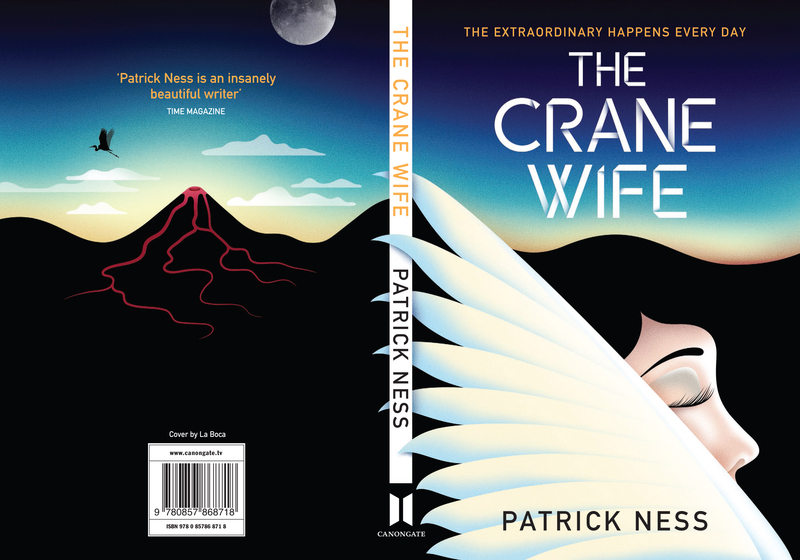
Patrick Ness — “The Crane Wife”

Patrick Ness, best known for his stunning YA sci-fi trilogy Chaos Walking, and more recently the award-winning and devastating A Monster Calls, returns to bookshelves and electronic devices with the beautiful, hauntingly drawn contemporary fable The Crane Wife.

The Crane Wife

Full of eerie resonances, elegantly poetic precision and a whole other world shimmering just beyond our view (a world we’ll never be able to fully comprehend, a lack of comprehension that is both blissful and upsetting), Ness has conjured up a story that is epic, moving, an ocean of emotion whose mostly calm surface hides a roiling current deep, deep beneath.

It wouldn’t do the book justice, and it would detract from the reading experience, to fully detail what does or does not happen. Suffice it to say, The Crane Wife begins with an ordinary man who discovers a crane with an arrow through its wing in his garden late one moonlit night. This event (or dream) is the catalyst for a series of events that ripple powerfully through the lives of George, his daughter Amanda, and Kumiko, a mysterious woman who seems to be the source of all hope and despair.

To reveal any more would be invidious. Ness weaves extraordinary fables into the most rainy-day, quotidian mundanities, as his characters’ lives are gradually illuminated from without and within. In the best possible way, this novel explodes with symbolism – but come back, because it’s the very best kind – poetic, subtle, capable of shaping and reshaping your emotions. Ness’s careful, elegant style ensures that every word means something. This is a pared-back experience that fills you with longing. In this novel, the quietest of symbols can cause your emotions to roar.

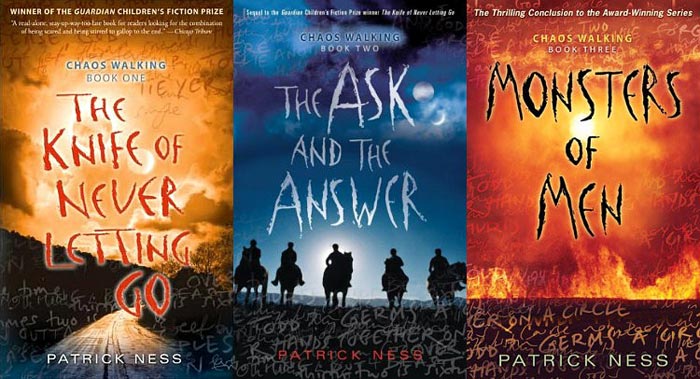
chaos walking trilogy

Literary fiction, generally, has not been as lively or truthful as YA fiction of late, a situation vastly exacerbated by Ness’s own contributions to YA (The Knife Of Never Letting Go, The Ask And The Answer, and Monsters Of Men are three of the most extraordinary novels ever written in any genre or category). The list of extraordinary literary novels in the last few years is sadly short: Hilary Mantel’s revelatory Wolf Hall and Bring Up The Bodies, and Haruki Murakami’s hypnotic and brilliant work of absolute genius 1Q84 (possibly the greatest example of literary fiction of all time, and itself a contemporary fable shuddering with immense hidden power and unseen forces) are the pinnacles.

They are now joined by The Crane Wife.

This is a novel that will transport you in all kinds of ways; whether you read it in bed, at the breakfast table, on the tube or the subway, or surreptitiously while at work, it will work its patient magic on you, and it will linger in your mind and heart long after you’ve put it down.


5 out of 5 tiles (it’ll make sense when you read it)

SouthLAnd’s day of Reckoning

Nothing will ever be the same.
The beginning of the end

The beginning of the end

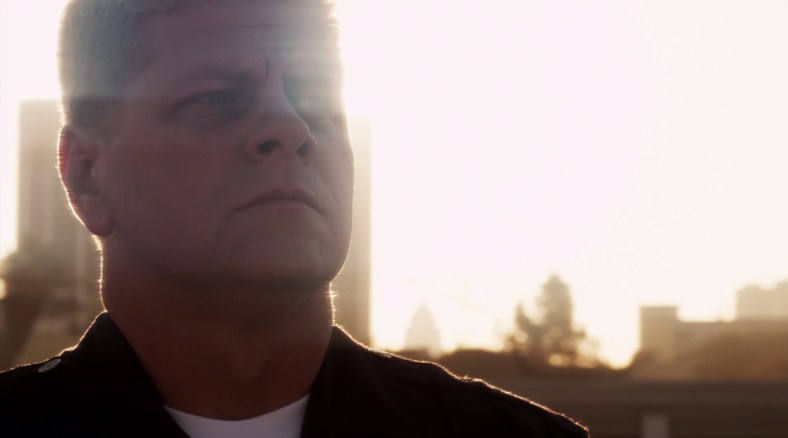
As season five drew to its genuinely shocking close, the dread that had been building throughout the episode — throughout the season — exploded. It has been the season of John Cooper, played with certified Emmy magnificence to the end by Michael Cudlitz. In effect, he shouldered the entire season like a modern day Atlas, and it was on his tired, weary face that the existential pain of being alive was etched in ever deeper lines as the episodes rolled by. In Reckoning, his agony became complete.

This episode was, without a doubt, SouthLAnd‘s finest moment.

It was expertly scripted by the extraordinarily intelligent Jonathan Lisco, the former lawyer/NYPD Blue writer who has found his true calling with this show. In person, he’s an erudite, precise conversationalist; his scripts feel that way too. The language is honed with the highest skill; whether it’s violent interchanges or quiet interludes, jokes or grief, if you look at his scripts line by line, they are masterpieces of elegance and seamless construction. Nothing is wasted; nothing is uneven. Everything, as Thom Yorke once sang, in its right place.

Reckoning was the best Lisco script yet (despite its lack of Nicki Minaj references). He gave us the final stage of Cooper’s descent into hell, knocking away each and every crutch and support one by one, until the final, most devastating blow of all: Laurie didn’t want to have children with him anymore. The episode was peppered with references to Cooper eating a gun, losing it, disintegrating: in classical Greek style the tragedy wended its way ever closer. Darkness loomed. We just didn’t know how or when it would come.

Even as Lisco was laying down Cooper’s trajectory, he was giving us beautiful (in the mathematical sense as well as the emotional) resolutions to the other two components of SouthLAnd‘s character triptych: Sherman/Bryant, and Adams.

Lydia’s resolution was a nice grace note amidst the darkness: the ever-rumpled Tom Everett Scott returned as Russell Clarke in the last few episodes, and seeing the two of them find their way to a tentative, possible happy ending has been an unexpected pleasure, and yes, in that final, beautifully shot scene on the beach, heartwarming. This is not an adjective I’ve ever used in five seasons of writing about this show, but, of course, they fully earned it, playing out the scene just right, just so. It was a lovely payoff to a relationship that we’ve been feeling and possibly hoping for since the pilot. Regina King and Scott were perfect, and their natural chemistry just flowed.

A rare moment of peace and beauty

A rare moment of peace and beauty

Heartwarming resolutions were in short supply in the other major arc.

The Sammy vs. Ben showdown has been played out so well throughout the season. Ben crossed the line last season in God’s Work, Risk and Thursday. That gave the writers a great platform from which to just f**K with the Ben and Sammy dynamic in season five, and they did a tremendous job with the story they chose: Ben’s complete amorality allowing him to believe that having Chris break into Sammy’s house and tag it with gang signs while stealing the tape was a genuinely okay thing to do.
Can of whup-ass that's about to be opened: not pictured.

Can of whup-ass that’s about to be opened: not pictured.

Spoiler: it wasn’t.

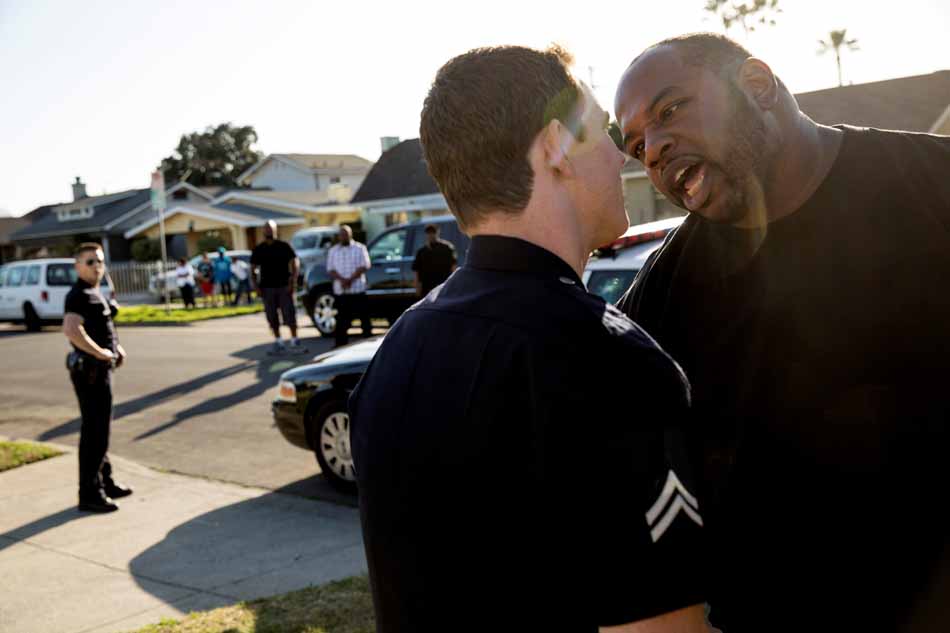
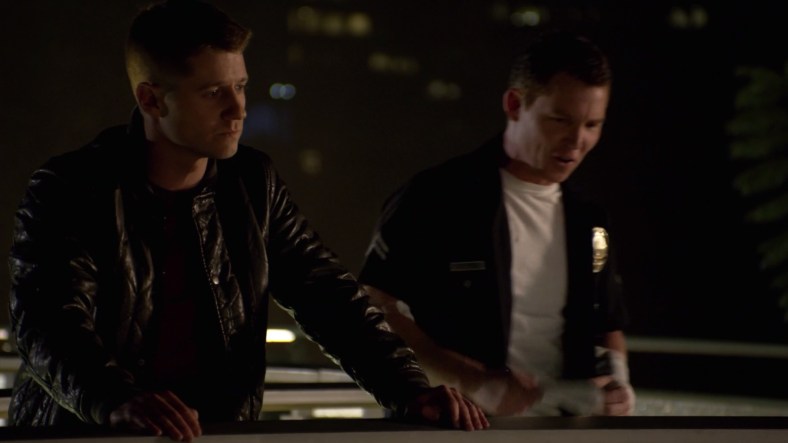
When it came, the storm broke in spectacular fashion. Sammy finally worked it out, and confronted Ben in a tense, fraught, emotional and heartbreaking scene outside the hospital, which ended with a hyper-intense all-out brawl between the two of them. “We were partners,” Ben yells. “That’s right,” spits Sammy. “Were.” And he walks away.

The terse economy of Lisco’s script gave Ben McKenzie and Shawn Hatosy their finest, most accomplished performances of the show to date, in all five seasons.
It's about to be so over

Get ready

The betrayal of trust between these two men who should be brothers, having each other’s back, was devastating. McKenzie was so controlled, giving us Ben’s collapsing emotional world within an intense, desperately holding on performance. Hatosy brought the De Niro/Penn intensity, letting it twist his features as it steadily boiled up from within until he was consumed with heartbreak and rage. Their acting was like f**king opera, man. I bow down to the pair of them: they are two of the finest actors working today. Absolutely extraordinary. That clanging sound you hear is me dropping names: when I hung out with them last year in LA, they were completely relaxed, genial, down to earth, but completely passionate about this show. They transformed their souls for these performances; turned themselves inside out in the way that only truly great actors who trust the material and their director can do.

Their director: Chris f**king Chulack, man. Wow.

He grew up in the shadow of Dodger’s stadium; he knows Los Angeles like few others. Listening to him talk about shooting on the streets of LA is fascinating. It’s no coincidence that SouthLAnd has been the only show on television to, amongst all its other achievements, give us the true fabric of this great city.

Chulack took the show airborne

Chulack took the show airborne

No one shoots LA like Chulack with DP Jimmy Muro at his side. No one. He’s one of my favorite directors, and I am including movie directors on that list. He shoots unflinchingly, architecturally, fluidly, sharply; in the edit, he cuts the episode deep, down to the bone.

Chulack has directed some of the best episodes of TV drama; so when I say this was a career best for him, please see it in that context. It really was a phenomenally directed episode. It layered in the three arcs (tragedy, showdown and possibility), dovetailing them tightly in a way that rushed us forward before we were ready. Because we were never really ready; none of us wanted this thing to end. But it powered its way through the shortest seeming hour in history, even with those extra two minutes.

And it had to end.

None of us were ready for how.

Spoilers.

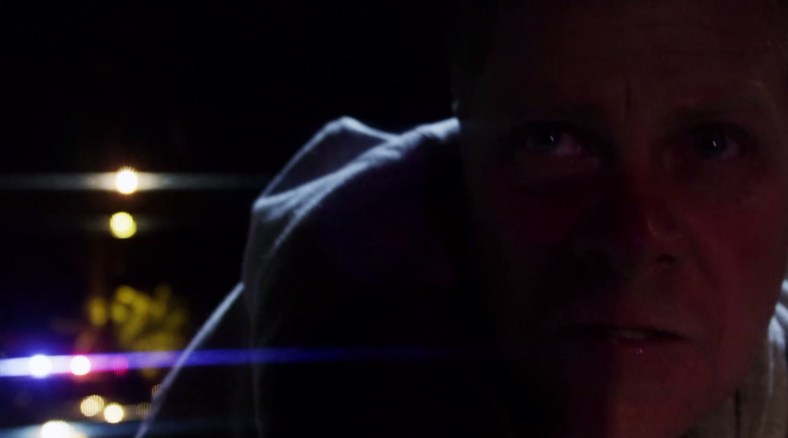
Cooper’s hellish horror-scape of a season reached a terrible peak in Chaos, as he watched Lucero get executed while they were cuffed together. All Cooper had left was the hope of a child. And Lisco (and the writers room) took that away in Reckoning. They took it all away. They stripped down Cooper’s emotional machinery until he was a wreck of car with no wheels, axles propped up by bricks. He had nothing left. The signs all seemed to point to suicide, and the writers really played this one out in the most close to the line way they could. It seems inconceivable that Cooper didn’t know what he was doing when he refused to throw the gun away in that final scene, instead swaying up to his feet, gun waving. How could he not know they would shoot him? We’ve seen it mentioned before, suicide by cop: wave a gun and wait for them to fire. But… but… he was in the killing rage, red mist clouding everything: sound and visuals were hazy, slowed down, disorientating. Maybe he was on his way to putting his hands up in the air.
A decision is about to be made...

A decision is about to be made…

We may never know. That’s the beauty of SouthLAnd.

Instead, (depending on how this cliffhanger plays out) we might just be left with the memory of Cooper, an extraordinary cop, played in the most grounded, compassionate way by Cudlitz. Has anyone ever done more to earn an Emmy? I don’t think so. Cudlitz has proven himself to be the soul of the show this season, the guardian of all that it stands for. To see his portrayal of Cooper’s helpless descent into loneliness, depression, hopelessness, and then, finally, the heart-rending breakdown of his command presence; it’s been revelatory acting. I’m going to miss Cooper.

There may be no more “hey numbnuts.”

Shit.

Cudlitz did groundbreaking work this season: Emmy better reward him.

This is a possible eulogy for Cooper (those were pretty serious gunshot wounds, but to quote Rob Thomas, there’s dead, and then there’s TV dead). He was one of TV’s most iconic, epic characters. One of TV’s most essential characters. But I don’t want this to be a eulogy for the show; I fully believe it will come back for a sixth season, if not on TNT, maybe on another network like FX or AMC.

I don’t want this show to go.

It means a huge amount to me. I’m not exaggerating — not even a bit — when I say it’s changed my life. It was the spark and the ignition for my TV scriptwriting. It showed me how to write TV scripts; how to tell stories in the most real and most stripped back way; how to create characters that live and breathe and are real. It’s taught me so much, and everything I’ve learned from writing scripts has deeply influenced the way I write my novels. Now everything I write is, I hope, SouthLAnd-style; it’s the standard I aim for, even if I don’t always get there, it gets me further than I would have otherwise. It’s led me to Los Angeles; to meetings with film companies; to an extraordinary hour and a half sitting at a bar having a brilliant conversation with Cheo Coker and Cudlitz. It’s given me amazing experiences. It’s brought me friends (Deb, Bill, Lisa and others).

From the opening shot of the pilot I was hooked; by the time they played the National’s Fake Empire in the final scenes, I was in love with the show. It’s only gotten more intense.

I’ve never been so emotionally attached to a show; so, no, I don’t want it to end. None of us do.

All we can do is let TNT know, keep sending the message.

And keep praying that for SouthLAnd, this isn’t end of watch.

SL R Dewey

SouthLAnd: Chaos

Chaos was outstanding.

Simply put, it was one of the great episodes of this series. With Zack Whedon scripting and Chris Chulack directing, we were in the hands of two masters, who brought us one of the most focused, tense, terrifying and shocking episodes of SouthLAnd we’ve ever seen.

This is what happens when a show is made by such a phenomenal cast and crew: they can refine and redefine their format and still end up with a stunningly powerful piece of drama. With Chaos, they took the show’s prime directive — existing in the moment — and expanded one situation to fill the entire episode, pulling all of the characters into its vortex, and taking it to its most existential and horrifying extreme.

The episode was loosely inspired by the Onion Field event of 1963, in which two LAPD cops were kidnapped while on patrol; only one made it back alive. Of course, the writers room incorporated some of the elements of the real case, and changed/added many others. From here on out, there will be spoilers. Although it’s no spoiler to say that this episode was the most stripped back, brutally raw and head-spinning episode that SouthLAnd has ever produced.

Zack Whedon, who delivered an extraordinary SouthLAnd debut script with Off-Duty earlier in the season, returned to deliver a script that demonstrated extraordinary mastery of the form. The opening freeze -frame narration and action hit hard. The first few scenes did a tremendous job establishing a depth and complexity to Cooper and Lucero’s relationship, with Cooper finally getting sick of Lucero’s homophobia, and dealing with it by inviting him to a gay bar. The arc of awkwardness seemed to be heading into a new understanding between them, until Lucero’s true feelings exploded, demolishing the goodwill between them. The next day, when they respond to an unknown trouble call (has SouthLAnd‘s M.O., unknown trouble — the title of the pilot — ever been more vividly expressed than in this episode? I think not) involving a couple of whacked out junkies who look like they just escaped from the set of Deliverance, they’re not talking to each other.

And then they get taken.

Beaten.

Their belts and uniforms removed.

Handcuffed to each other in the back of a pickup truck headed somewhere unknown.

Whedon set this up perfectly and executed it flawlessly, launching us into the rest of the episode, as Cooper and Lucero get taken into hell.

Taking characters into hell just happens to be SouthLAnd‘s specialty; all drama attempts it — SouthLAnd masters it. So it’s surprising for me to be able to say that with Chaos, Whedon supersized this tendency. I don’t think anyone on the show has been through as much as Cooper and Lucero. And Whedon’s script just kept turning the screw, tighter and tighter, until tension was at an all-time, fever-scream high; the atmosphere more taut and terrifying than it has ever been on this show. By the time one of the rednecks casually executes Lucero, our nerves were already shredded and screaming; that shot to the head tipped us over the edge.

Chris Chulack directed; I’m not sure any of the show’s other directors could have done it. Just as the script was savagely to the point, so the direction was ferocious and visceral. Painfully, unbearably so. Chulack went hard at this episode, finding new angles and a new level of immediacy; given that the show is the most immediate, in the moment show on television, this is a remarkable achievement. Chulack effectively handcuffed us to Cooper and Lucero, and didn’t let us escape. Bastard. It was breathless, horribly raw TV. So much shouting, so much screaming, so much pain, and it was all directed with nerves-flayed-bare minimalism by Chulack. When the rednecks drag off Lucero to cut off his tattoo (yep), Lucero’s screams were godawful. Chulack’s camera followed them down the hall and into the bathroom, showing just enough of what they were about to do, before the door shut and the camera went back to Cooper, giving us his reactions to the terrible screaming from the bathroom. This is highest level directing.

Even given the brilliance of the writing and directing, the episode couldn’t have worked, and was really all about, two men: Michael Cudlitz and Anthony Ruivivar.

As Lucero, Ruivivar had a very difficult job to do in the episode; taking his character through some difficult social situations and unpleasant behavior, before making us empathize with the extreme torture and breakdown that he ends up enduring. Ruivivar was exemplary here, in all those scenes, finding the humanity in Lucero, and the soul in his portrayal of a man facing death. It was a bravura, intense and exhausting performance, played with compassion and depth throughout. He’s been a great addition to the show, bringing a new energy to it, and being a great acting partner for Cudlitz; their dynamic was always entertaining and interesting.

Speaking of… Okay, it’s true that Cooper didn’t get shot in the head. But DAMN SON. He is having the WORST season. It’s been a long, cruel, devastating nine episodes for him. He’s faced darkness, stared into the abyss. He’s faced terrible cruelty and violence and sadness. He’d just found himself in a more stable place, having made some key decisions in the previous episode, decisions that should have set him on a path to a more comfortable, fulfilling life.

Then Whedon and the writers room really f**ked his shit up. Cooper will not escape the effects of this episode lightly. Being cuffed to man when that man gets shot in the head by insane junkies is impossible to recover from. This really has been the season of Michael Cudlitz. He has portrayed Cooper with towering empathy, compassion, intensity and presence. He’s given us Cooper’s pain, knowledge, power, vulnerability, warmth, sarcasm and wit with extreme gravitas. And with this latest episode, which ended with Cooper crushed, broken, destroyed, curled up on the cold nighttime concrete of a gas station forecourt, disintegrating into debilitating sobs, Cudlitz must, SURELY, have guaranteed himself an Emmy. Throughout the ordeal, Cudlitz portrayed something that must be incredibly difficult to do: balancing Cooper’s heroism and relentless determination to survive, with the gut-churning, all-consuming horror and fear that kept exploding. Incredible.

Even with the singular focus of the episode, the script still found time to nudge the Sammy/Sherman partnership closer to its inevitable apocalypse. Sherman’s horror when he saw his girlfriend’s brother wearing Sammy’s jacket (stolen when the guy broke into Sammy’s place last episode) was a great moment. Especially since Sammy was standing right outside the house. And the way that their chase of Stroke-Face ended with the gangbanger falling from several floors up in a construction site and getting grotesquely impaled was a violent reminder of the increasing intensity of the consequences of Sherman’s actions. The final episode of the season (THE SEASON NOT THE SERIES) promises much: the end play of Sherman vs. Bryant, and the massive, citywide manhunt for Cooper’s kidnappers.

The show hasn’t punched its full weight 100% of the time this season, but it is ROCKETING to an extraordinary conclusion. And in many ways, it is far stronger in its fifth season than ever before. Very few shows can remain so powerful after five seasons; SouthLAnd is one of the few, and it has made it very clear: season six will be insanely great.

Random Witness Statements:

  • Zack Whedon has earned his stripes in record time this season.
  • How incendiary is the Sherman/Bryant showdown going to be? 
  • Cudlitz. Emmy. Now.
  • Ben McKenzie and Shawn Hatosy are such fantastic actors. They have been more on the periphery this season, but you wouldn’t know it from their intensity, presence and powerhouse performances.
  • Lydia and Russell FTW.

SouthLAnd “The Felix Paradox”: Blue Angels

The Felix Paradox was an unusual episode. It had stunt casting (Shaq), genuinely delightful surprise casting (Russell’s back!), and multiple muscularly handled game changing moments for virtually all of the characters. Yet, perhaps paradoxically, it felt somewhat insubstantial.

One of the key reasons is this: everything else in the episode was dwarfed by Jamie McShane’s towering, gut-wrenching, why-isn’t-he-a-regular-yet, performance. Not even Shaq could rise up to that challenge.

Jamie McShane. Emmy not pictured.

Jamie McShane. Emmy not pictured.

McShane has been grittily brilliant in every episode to date, always breaking out of his all too brief screen time with charismatic and intense acting. Full disclosure, I have met him, and he’s a great guy in person; long overdue an iconic episode like this one. Aaron Rahsaan Thomas wrote this episode, his second of season five. It didn’t blast away like his first, but man was it good, and it gave McShane the arc he needed to really let loose: the watch commander had to hold it together after being told that his son had been shot. In several key scenes, McShane broke our hearts. Again and again and again. The initial breakdown; the barely holding it together in front of the cops at roll call, before crumbling and having Cooper take over for him; then the utterly heart-rending scene when Lydia handed Hill his son’s belongings from the crime scene. The way McShane told Thomas’s beautifully written Blue Angels story was just too much; too painful, too raw. 100% SouthLAnd style. It was epic. It must surely guarantee McShane a promotion to regular status, if, no, WHEN, the show gets its sixth season. C’mon, producers — you found a way to get Lydia into uniform; you can find a way to get Hill out on the streets. The campaign starts here.

Elsewhere, the show worked overtime to catch up with the other characters. Cooper had his moment with Laurie, when he finally accepted that he wanted a family; Cudlitz was charming and somehow heartbreaking in his quiet performance (coming as it did after that extremely empathetic and compassionate moment helping out Hill during roll call). Lucero was revealed to be lying about the fact that he has been separated from his wife for eighteen months (a smallish revelation for a new character, which didn’t really register, although it was written well, and perfectly acted by Anthony Ruivivar). Lydia had to throw down with Ruben over whether to pursue crooked cops in a nicely written and portrayed arc.

But the most interesting moments were saved for Sherman and Bryant.

You gotta hand it to Thomas; he can lay down classic scenes in old school SouthLAnd style, and they’re an absolute pleasure to watch unfold. The way that Bryant and Sherman’s pivotal scene started with them leading a lost little girl back to her house, featuring some truly great humor (“I’m contact, you’re cover…”), then segued into a tense search of the house and discovery of weapons and drugs, then escalated unstoppably into a dangerous screaming match between Sammy and the gangbanger — there was a real flow as it covered a range of emotions and styles — and it was a great head-to-head that never lost momentum. Hatosy was an ANIMAL in this scene, deploying the Prowl to full effect and then some. He’s been quietly intense this season; it was great to see him tear up a scene like this.

SouthLAnd: in your FACE.

SouthLAnd: in your FACE.

On the flip side, Sherman is f**king cold! What a devastating reveal that was, juxtaposing Sammy’s utter terror running through his gang-tagged house looking for little Nate, with the fact that Sherman was responsible (sending his girlfriend’s brother to steal the incriminating Tammi-Sammy fight tape). And it was all to save his own skin. Damn. Sherman is stampeding into a moral darkness from which it seems utterly impossible to return.

Sammy Bryant getting ready to go to war.

Sammy Bryant getting ready to go to war.

This revelation made Sherman’s reactions in the opening freeze frame more understandable. And it was a cool trick, returning to the opener right at the very end of the episode. The only issue was, we’d been waiting to find out what the hell it was all about in ever increasing anticipation and fear. Yet once we caught up and went past the photo flash… nothing happened. Sure, it was one of those internal ‘freight train coming at you’ moments; but the thing is, we’d already been through that collision. This was just the aftermath. The moments before the freeze frame promised maximum intensity; the reality was Sherman leaning against a wall.

Strong is the power of the dark side... seductive it is.

Strong is the power of the dark side…

I get it, and as a SouthLAnd ending, it was great; exactly what the show does best (the knowledge of just how far Sherman will go is terrifying, and a huge game-changer for him and therefore the show). But, oddly, although it was a perfect ending, it wasn’t a perfect return to the freeze frame; not when you’ve very clearly built expectations for some juicy tension and action.

This season as a whole, the opening/return to freeze frames have struggled with being as high impact as they need to be. This episode’s started as the strongest of the season to date; it just didn’t follow through on its promise. Which is a shame, as it was building on the biggest shift in the show this season; Sherman completing his descent into ice-cold amorality in stunning, shocking fashion.

This is a show designed to surprise, and that’s one of the many, many things we all love about it. This episode generally did a brilliant job of unleashing its truth grenades. There is no doubt, SouthLAnd is 100% uncompromising and 100% true to itself.

TV needs this show.

Random Witness Statements:

  • “Hiding in a closet, firing blindly… what kind of asshole does that?” / “A dead one.”
  • LAPD is the biggest gang in the city.
  • “We don’t fight fair, we fight to win.”
  • Tom Everett Scott back in the house! 
  • Surprised it’s taken five seasons to get a Crockett and Tubbs reference in there: great job, Aaron!
  • Cameron Duncan as DP, Stephen Cragg as director: great visuals, L.A. looked beautiful — loved Lydia’s Dodge Charger gleaming like a sci-fi spaceship.
  • “You will not embarrass me. I will f**k you up before that happens…” Damn, Annie Monroe. 
  • Blue Angels: devastating.
  • Seriously, make Jamie McShane a regular.