SouthLAnd “Under The Big Top” — the greatest show on Earth

SouthLAnd‘s fifth season is shaping up to be its most ruthless and pared down yet, and therefore its most emotionally thrilling.
Everything changes

Everything changes

Under The Big Top was a Sara Gran script, with her distinctive brand of humor and sharp, on the spot character moments. Behind the camera, Felix Alcala brought his aggressive, restless visual style, aided by Dana Gonzales’ impeccable lighting. They made Los Angeles look visceral and amazing, in a clear-eyed, haze-free way this time. This is a show that can occupy different places on its unique viusual spectrum — this episode was all about the middle of the day/late afternoon clarity of the city. It was a particularly great episode for locations that added new dimensions to the scenes, something SouthLAnd excels at. The scene where Cooper and Lucero find a murder suspect and his girl, shot on the other side of the 101 from the Capitol Records building, with the downtown skyscrapers behind them: the light, the traffic, the architecture — it was a passing moment in the script (and a great character moment between Cooper and Lucero), given a kinetic depth by the shooting, framing and editing. This show carves its truths out of the LA landscape with ease.

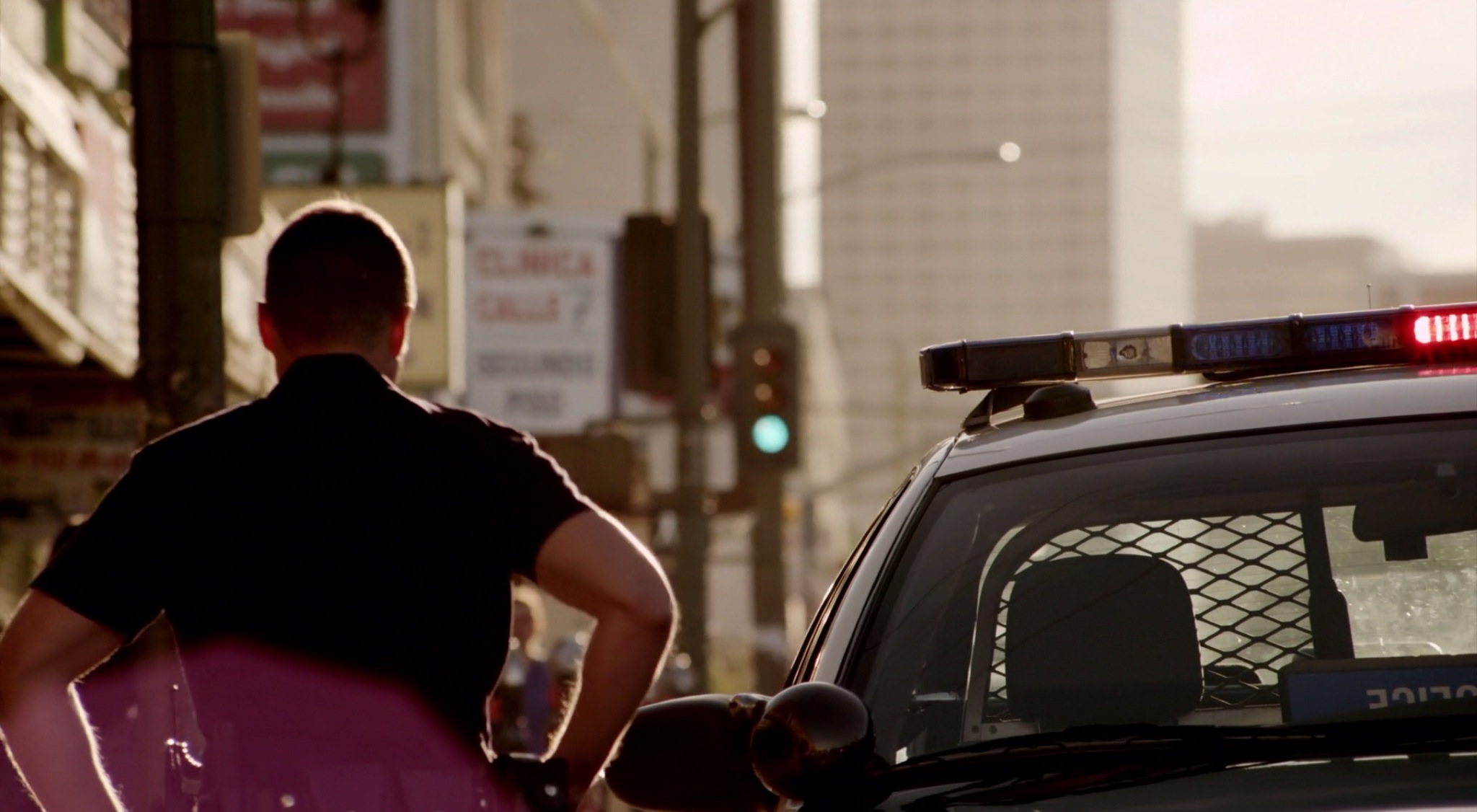
Incredible shot from Alcala and Gonzales

Incredible shot from Alcala and Gonzales: the detail, the depth of field, the scope and focus of it…

It was a Cooper-centric episode, appropriately, given the title, and his tendency to see the job as one big circus. He had happy moments, tender moments, lonely moments, self-reflective moments, courtesy of Gran’s lovely and understated script. It was a great emotional episode for Cudlitz, who just crushed it in every scene with so much nuance and gravitas and soul. My personal favorite Cooper moment? “Maybe the right one stays.”

On the opposite end of the emotional spectrum, Sherman was still busy shedding his humanity and switching off his ability to care about anyone he deals with on the job (unless that person is Annie Monroe playing a teacher with a pleasing amount of snark, holding her own in every scene).
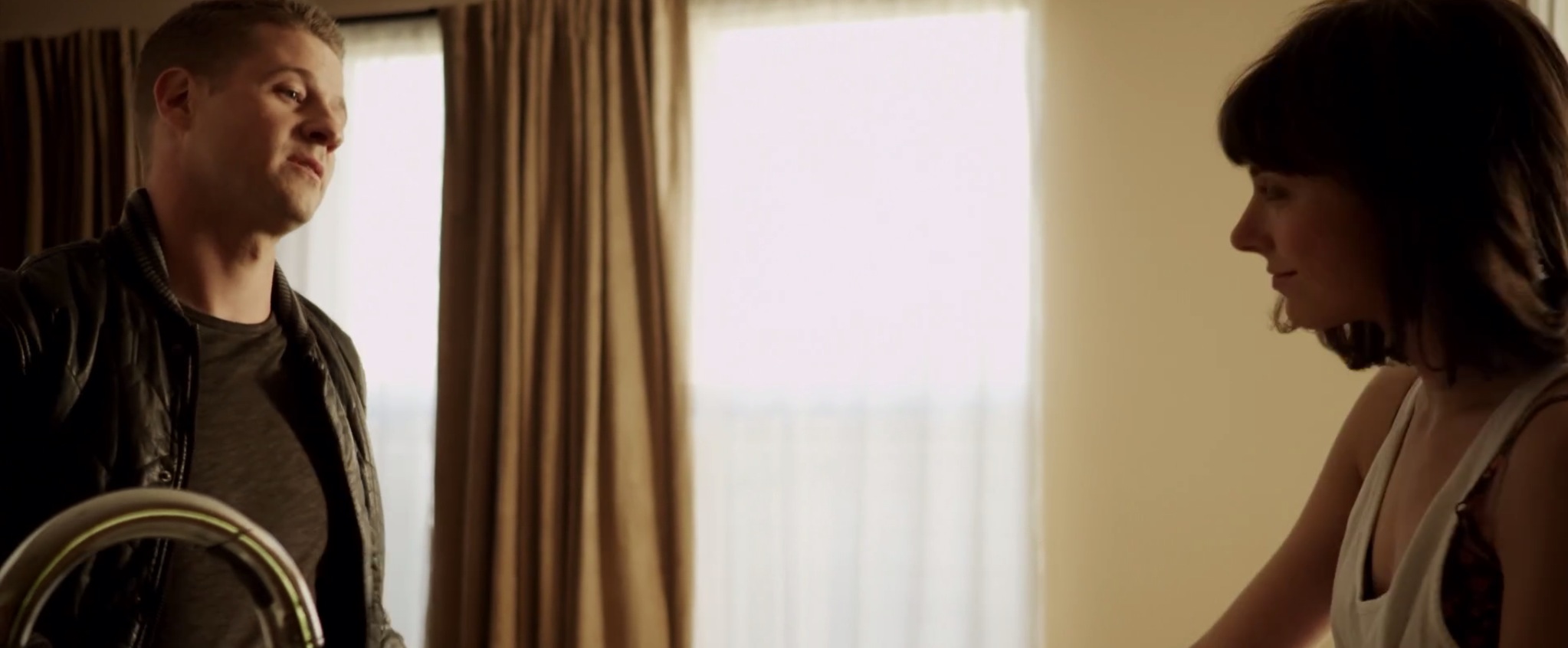
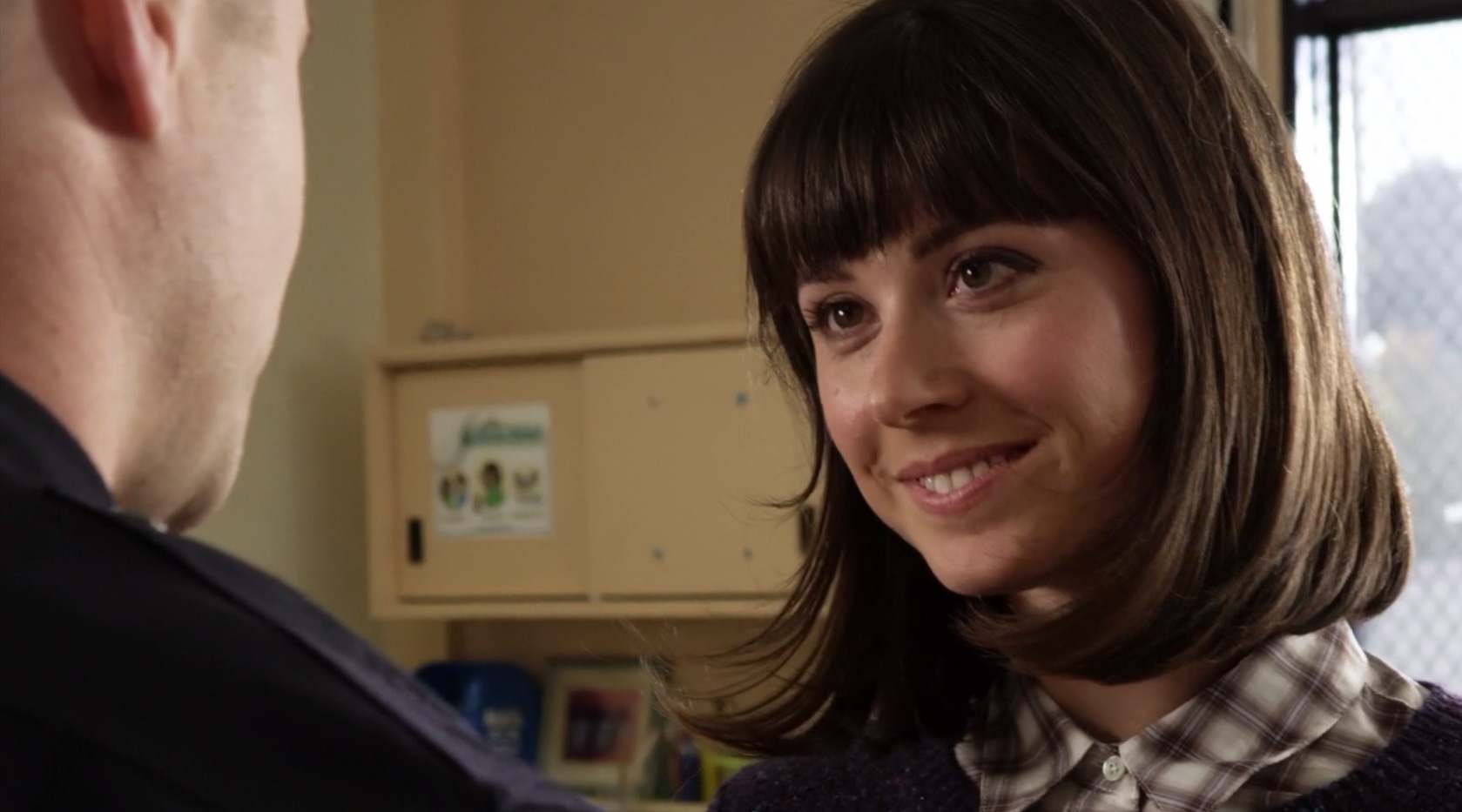
Relationships, SouthLAnd style: McKenzie and Monroe. Banter not pictured.

Relationships, SouthLAnd style: McKenzie and Monroe. Banter not pictured.

Ben McKenzie is doing truly fantastic work this season, with his almost terrifying transformation from the new boot who couldn’t stop caring, to the hulking, experienced officer who beats the shit out of a perp on a subway train in front of horrified passengers (to be fair, the guy was trying to kick Sherman’s ass, so Sherman knocking him out wasn’t entirely uncalled for). That scene was pure SouthLAnd — rationality and order descend almost instantaneously into utterly visceral violence and chaos. The stunt team are legends, and the entire cast and crew always make these scenes look horribly, breathlessly real. The way McKenzie just sat down in a nearby seat after cuffing the now unconscious criminal, waiting for the next stop, without saying anything to the other passengers, spoke volumes (Seth Cohen was right, he can say SO MUCH without even speaking)(Sorry for the OC reference, but Cohen nailed it — McKenzie is getting Brando-like in his intensity and wordless stares, hollowed out like he’s at the end of Apocalypse Now).
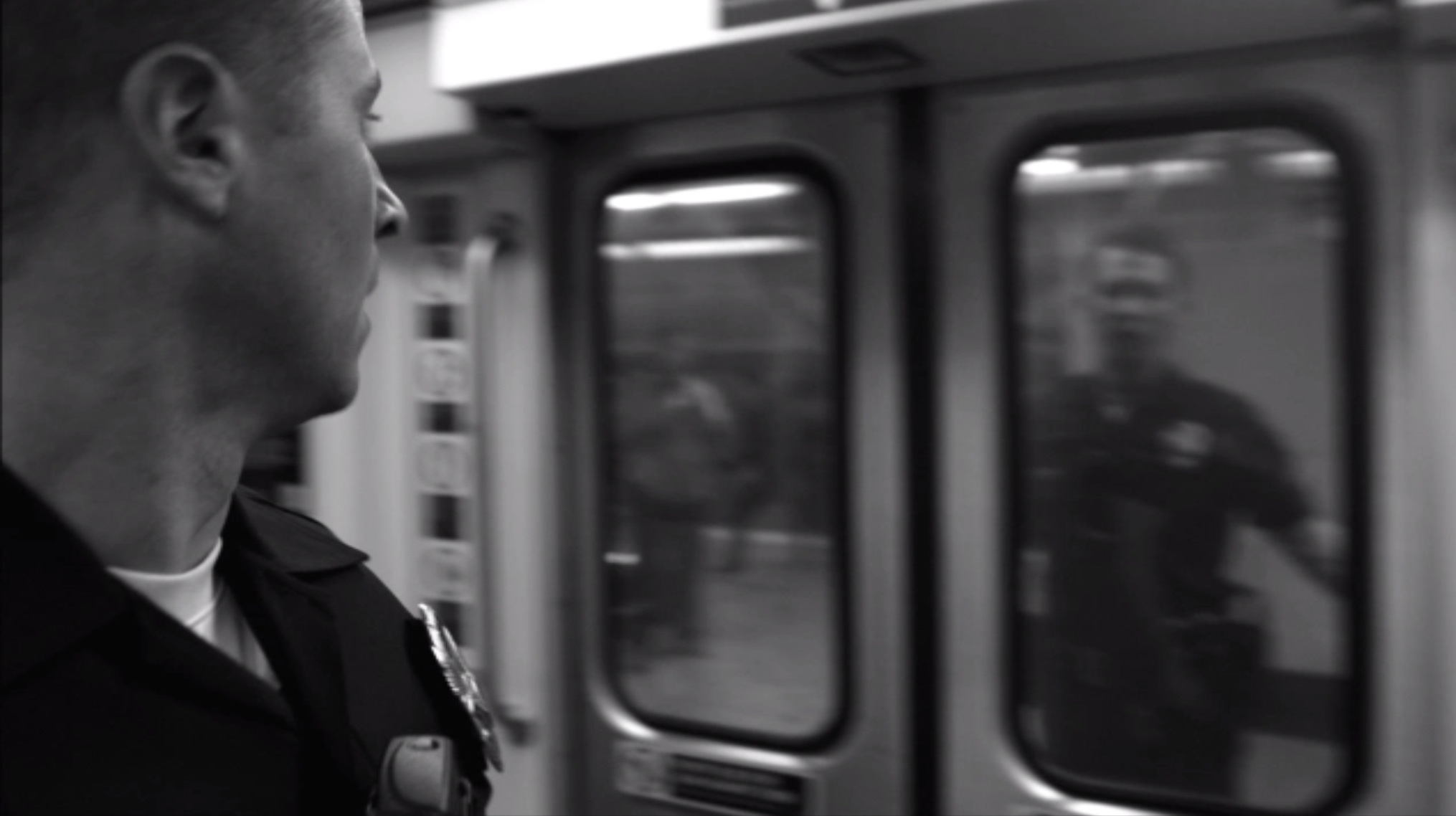
Changing relationships

Changing relationships

So powerful is McKenzie’s performance, he’s actually out-prowling Hatosy in a lot of scenes, which is just what the scripts are calling for. Where once Sammy would have been the hero for caring about a young boy who’s a victim of the system (remember What Makes Sammy Run? A Coker script and one of the greatest episodes of the show), now he is outshined by the sheer magnitude of Sherman’s ruthlessness. Sammy almost seems out of touch in this new, more aggressive world, which is the world of season five (set in motion by the darkness at the end of season four).

The unforgiving glare of harsh truths

The unforgiving glare of harsh truths

The show evolves with each season, and it’s much rawer and more streamlined than ever.

It’s the one inch punch of TV drama.

Random Witness Statements:

  •  The guest stars are extraordinary. Every time.
  • “Maybe you should get a carpet.”
  • Alcala added to the show’s visual texture with his helicopter shots
  • “You got a dirty, dirty mind.”
  • The woman picking up the money in front of Sherman after the train fight — the perfect coda to the scene
  • “For such a genius, you’re awfully handcuffed.”

SouthLAnd “Babel”: Fallback mode, just like the old days

With the third episode of this fifth season, SouthLAnd took it to another level.

With first-timer (to the show) Aaron Rahsaan Thomas’s emotionally scathing script imbuing an aggressive new style with a classic old-school feel, and Jimmy Muro’s basically goddamn brilliant direction (and lighting), this was one of the great SouthLAnd episodes.

The script had some of Chitra Sampath’s anarchic humor (Bryant and Hatosy doing a hand-puppet show for first-graders), Cheo Coker’s pop culture style and graceful nods to the old ways (Cooper’s note-perfect conversation with his former TO), Heather Zuhlke’s textural genius and Jonathan Lisco’s precise emotional scalpel. But this is not to say it was not original — it was. Thomas integrated everything that makes the show great and made it into something new: Babel was sharper, faster moving, more streamlined. His beats and scenes had a raucous, deliberately unstable energy. He nailed the inherent absurdity potential of life on the streets, and also the way that ridiculousness can tip over into gut-wrenching horror. Dewey’s boot nearly decapitating herself on a steel wire during a pursuit; the skateboard thugs vs. the old-timers; the hallucinogenic lemonade (really); the ongoing farce of Sammy and Tammi spilling over into real danger; the quiet, implacable horror of the shootings; the sadness of Cooper at the world maybe changing faster than he can handle. All those things flowed, smoothly, seamlessly, woven together by the overall chaos of LAPD dispatch being down. Communication was all over the place; the episode was perfectly titled.

It rocked on the page, and with Muro calling the shots, you know it rolled on the screen.

Shots fired

Shots fired

Jimmy Muro, man. What a legend. Not only is he a legendary DP who has worked with some of the greatest directors of all time on some of the greatest movies of all time  (Michael Mann’s Heat being a prime example), but he knows how to shoot the shit out of a script himself. Babel was his finest directorial work on SouthLAnd yet. It’s like he shoots in 3D — he adds a visual dimension that many directors miss. This was one of the most beautifully composed episodes in the show’s history. It was there when the camera was on Sammy driving, looking past him at Sherman on the passenger side, the depth of field through Sherman’s window — the sheer level of detail in the angles all the way into the distance was beautiful. It was present in the constant wheeling glimpses of the fortress LA skyline in the background of shots, the causal integration of the incredible architecture of the city.

Muro gets that LA skyline

Muro gets that LA skyline

Every scene was expertly staged and shot for maximum chaos and viscerality: the skate thugs scene was simple on the surface, but highly complex underneath. The car racing past and swerving within a few inches of Cooper on the street was an adrenaline-pumping second or two; it was brilliantly done — the scene just kept moving. Or in a simpler moment, when Lydia and Ruben were talking to the mother of the murdered kid (her third murdered child), Muro kept the camera focused on a picture of the three kids, while the principals in the scene were out of focus.

Genius in every shot. And that included the actors.

As always, the guest actors were phenomenal. The teacher coming on to Sherman, the old lady taking on the skate thugs; they, and the others, brought a tremendous realism  to every second they were on screen — they were (and always are ) one of the key components of the greatness of this show.

Annie Monroe likes what she sees

Annie Monroe likes what she sees

The core cast nailed it too. The shifting relationship between Bryant and Sherman is being portrayed with absolutely incredible acting by Hatosy and McKenzie. It’s a complex relationship, and they’re making us believe every up and down of it. Cudlitz was really great too. His emotional conversation with his former TO on the boat was a masterpiece of subtlety and nuance. Don’t retire, Cooper!

McShane and Cudlitz

McShane and Cudlitz

So, yeah, this was a kick-ass episode, up there in the pantheon of great SouthLAnd eps. And the preview for next week looked even more insane. Season Five is going from strength to strength.

Random witness statements:

  • It’s so great to have Tommy Howell as a regular
  • Can we get Jamie McShane promoted to regular too?
  • “I’m driving. I am contact.”
  • JIMMY MURO
  • Sometimes things get lost in translation — great opening voiceover.

SouthLAnd: Taking the Heat

The greatest SouthLAnd writers have distinctive styles and voices.

This week’s writer, Heather Zuhlke, excels at texture; the connective tissue between characters, between scenes, between themes. She can give you all you need to know about a person, a relationship, a situation, with just a few careful words and moments.

That skill with texture was key to Heat, as this episode was all about interactions; the webs that link one person to another, and how those bonds hold up when the heat, the pressure, is cranked all the way up. Those brief, fragmentary moments were even more important than usual in a show that thrives on an aggressively existential insistence on the importance of the present moment, and the irrelevance of the past and the future.

Whether it was Cooper and the girl who brought him muffins, or Cooper and Steele, or Cooper and the veteran, or Sherman, continuing his alienating trend of being a total dick to everyone except the people who would actually deserve it, or Bryant, desperate to connect with his own son, and instead connecting with the dying son of a gangster via a toy Lego cop — each situation was short, brutal, and revelatory, thanks to Zuhlke’s absolute mastery of character through action. It sounds obvious, since that is the goal of TV drama (of all drama, all writing) — but it’s not. It’s hard to get right even some of the time — Zuhlke nailed every single beat from start to finish.

The acting in this episode was exemplary. As you can tell from the list above, Cudlitz had a lot to do, and he did it brilliantly. Ben McKenzie is fearless this season, utterly willing to throw off Sherman’s idealistic former self in favor of his transition to a hardened, jaded douchebag. Hatosy is great as always, keeping Bryant’s combustibility in check, but only just. He effortlessly conveys the fact that Bryant has much more experience, and is likely a much better cop, than Sherman.

I haven’t mentioned Regina King yet, because she deserves special focus for this episode, which was really all about Lydia’s much welcome return to being an awesomely powerful powerhouse of a woman. From the opening flashback when we see her start to kick the ass of a kickboxer in a street brawl, to her first shot doing insane pushups, through her beautifully depicted banter with Dorian Missick, King owned this episode. She’s a natural match for Zuhlke’s style, able to convey extraordinary amounts of emotional information with the barest of words or gestures. Her joy at her comeback made the ending all the more devastating.

A quick word about that. SouthLAnd excels at dropping you into unknown trouble and making you feel it, instantaneously — the moment contains all you need to know for it to f**k you up emotionally. Earlier in the episode, the show made a rare minor misstep with Mendoza’s story. It could have been the character being too new and unfamiliar, it could have been that we don’t connect with Sherman’s loyalty to him, or it could just be the precise sleaziness of the performance. Whatever the reason, there were only two moments in the arc that truly worked: Sammy gaving the Lego cop to the dying kid (at which point it started raining on my face for some reason), and the very end of the arc, when Sherman is left alone in the hospital corridor — utter isolation that definitely hit home. Those moments aside, that story just didn’t have the emotional power to jump start our feelings.

The same cannot be said for the ending, which was horribly savage in the quietest of ways. Classic SouthLAnd. We didn’t even know what was truly happening. We didn’t need to. Regina King’s heartbreak was backed up by everything that had happened to her earlier arriving in that scene like an emotional freight train — that’s brilliant writing. The moment was flawlessly conveyed, and the previous 40 minutes slammed into you while you were down. King is an extraordinary actress, and why she doesn’t have a truckload of Emmys at this point is beyond me.

The texture that was key to this week’s script was also there in Dana Gonzales’s lighting. While Jimmy Muro is the undisputed master of capturing that Los Angeles light, Gonzales has been quietly excelling in a number of SouthLAnd episodes (most notably, God’s Work). He can harness extraordinary early morning golden hazes (he shot the golf course like an alien planet shrouded in sentient light), and he can wrestle lens flares out of literally any shot — the patrol officer’s badge when Lydia and Ruben walked up the hill to their first case, or the patrol car lights on a cloudy day after Cooper was shot at. Gonzales is a legendary DP.

Heat continued the season five trend of being tighter, more compact. Sometimes, that constricted the emotional responses a little; mostly, it accentuated them. It’s simply the rawest, most real show on TV right now. Challenging, uncompromising, and brilliant.

SouthLAnd Season 5: Hats And Bats

We hold cops to a higher standard because we give them a gun and a badge.

Officer Ben Sherman, facing stark realities

Officer Ben Sherman, facing stark realities

Only problem with that is, we recruit them from the human race.

With that opening voiceover and freezeframe, SouthLAnd started its fifth season by dropping us into hell without a parachute. Each season gets tighter, hits harder, jabs more lethally and precisely, knocks you down with even more viscerality. Hats And Bats continued this tradition with blade-sharpened verve and ferociousness, while, as always, somehow finding time to inject genuinely heartbreaking emotion. It brings you to your knees, then breaks your heart.

This episode was written by the exemplary Jonathan Lisco, directed by the legendary Chris Chulack, and lit by lighting genius and maestro Jimmy Muro. Lisco’s scripts always carry his signature: an extraordinary sense of intelligence and precision, whether he’s serving up something shocking, hardcore emotional, funny, or just general truths about humanity. It sounds casual when it’s written out in a list like that: but there’s nothing casual about it. It takes hard work and skill to pull off. Lisco delivers all those things in elegant scripts that just flow. There’s always a powerful core of great character work that keeps the script rolling; all those other elements are subtly intergated on the fly. Which just happens to be the definition of great writing.

For example, the scene in the swimming pool/bath house: utterly horrific, over so quickly we never know what was going on – but it’s a complex, almost wordless character moment for Sherman and Bryant. Then, later in the episode, their scene dealing with the old lady whose sister was murdered (which included a nice shout out to writer/supervising producer Cheo Coker, who moved from SouthLAnd to NCIS: LA), was another example of the scene getting in, getting out, but slamming you with serious emotions on the way. And Lisco was also responsible for one of the funniest lines of the show in all five seasons:

Jerry: “We have a permit.”

Cooper: “To be a dipshit?”

Of course, Chulack  and Muro killed it. Of course they did. They shot and lit it with brutal, pared-down style, keeping the camera close and low to the ground. It was the kind of lighting and directing that almost stripped itself away, making you feel as though you were immersed in nothing other than the rawest of truths in every beat, every scene.

Which brings us to the acting.

Damn.

This may be the finest ensemble in TV right now.

Ben McKenzie and Shawn Hatosy nailed the fractious, buddy/brotherly relationship between Sherman and Bryant. McKenzie portrayed Sherman’s unease at his newest level of celebrity, while Hatosy was utterly compelling as a father under huge pressure, dealing with a crazy ex-wife, barely controlling his rage from boiling over. Lisco’s script had Sherman and Bryant butting heads, cracking jokes, having each other’s backs, and McKenzie and Hatosy handled every single beat with extreme presence, energy and truth. Regina King showed us a mother barely holding it together as she dealt with the immense stress of being a single mom, as well as the immense stress of being a detective; King was incredible, as she always is.

And then there was Cudlitz.

He gave us an astonishing spectrum of emotions in this episode. Lisco gave him great material to work with — having to be even more hard-ass than usual with his newest boot, an ex-military powerhouse with attitude to spare — as well as peeling back the layers to show the lonely soul beneath the surface who just craves companionship, and, maybe, even though he’d never admit it, love. Brilliant work from Cudlitz from start to finish.

Dewey. Yep.

Tommy Howell is a legend, and it’s great to see him promoted from recurring to regular.

On every level, this really is a show that grabs you and doesn’t let you go. It makes you feel like it just threw you off a balcony. There’s a vertiginous sense of falling that pulses through this show — that dread is part of its power, because anything can happen at any time.

All in all, this was a truly fantastic start to what promises to be an amazing fifth season for SouthLAnd. It’s a show that just keeps on getting better, season after season. That’s a rarity in TV drama. This show really is one of a kind; can’t say thank you to TNT enough for believing in it too.

Random witness statements:

  • Few things are more pleasing at this point than hearing”hey numbnuts!”
  • Jeez, Sherman — Sammy just really wants to clean up some blood this episode, okay?
  • Coker
  • “Welcome to the info age. Instant riots — just add tweets.”
  • So much screaming in this episode
  • Bryant on Sherman’s new haircut: “They remaking Taxi Driver?”

100/10: Massive Attack’s 100th Window –10th Anniversary

February 10th marks the 10th anniversary of Massive Attack’s controversial and extraordinary album, 100th Window.

100th Window

The group, a trio comprised of Robert “3D” Del Naja, Grant “Daddy G” Marshall and Andrew “Mushroom” Vowles, had essentially imploded during the intense recording sessions for the previous album, Mezzanine. After 1997, when Mezzanine dropped, Mushroom had left the band entirely, while G was slowly but surely drifting away.

Mezzanine: intensity very much pictured

Mezzanine: intensity very much pictured

D was driving the whole thing, leading the post-Mezzanine sessions with fellow Bristol band Lupine Howl, creating long, guitar-heavy workouts that sounded like Mezzanine 2.0. But the years were passing, and the magic wasn’t happening for D. By 2002, it was just D and longtime collaborator Neil “no nickname” Davidge in the studio, creating the digital dreams and textures of what would become 100th Window. It call came together in a sudden six month period during 2002, and in September of that year, D announced that 100th Window would be released the following February, 2003.

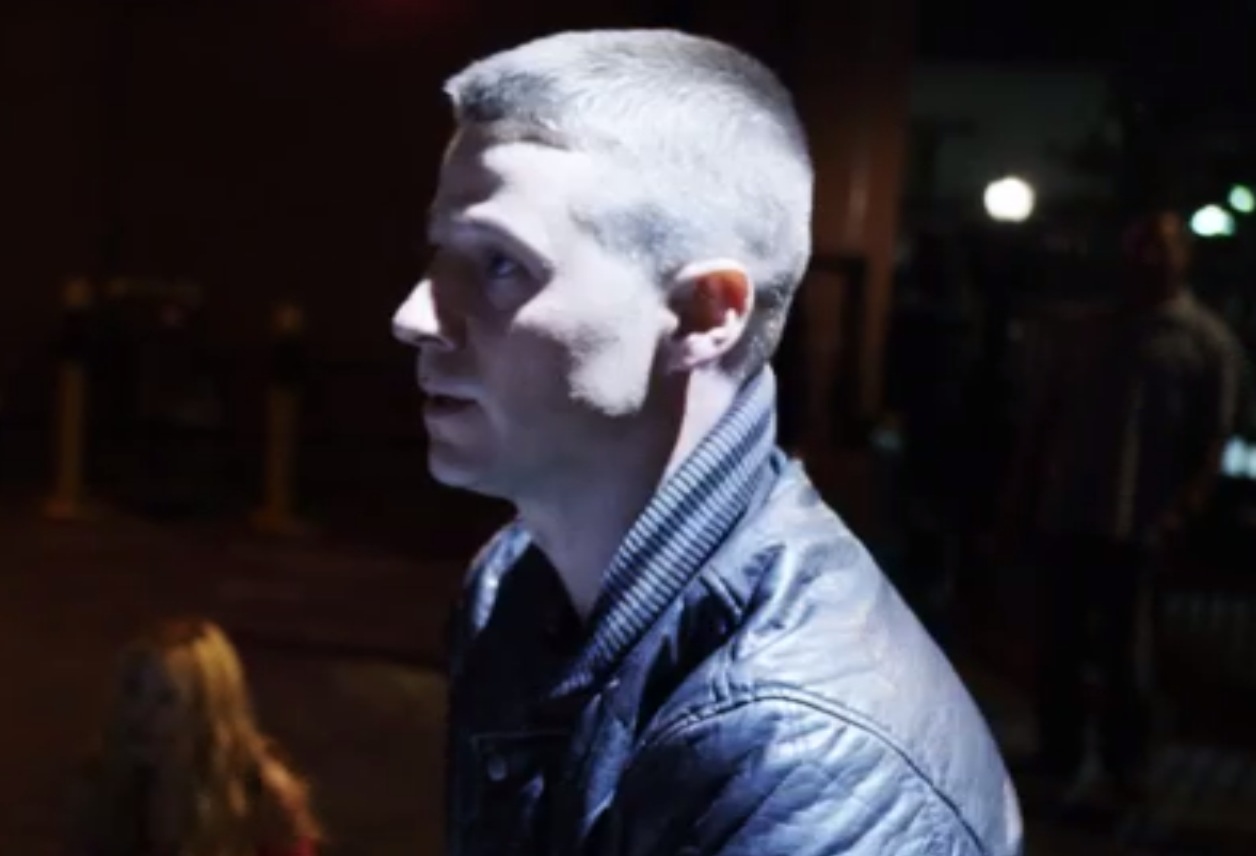
D in the Butterfly Caught video

D in the Butterfly Caught video

Even though it was for all intents and purposes created by just D and Davidge, 100th Window is possibly the most “Massive Attack-y” Massive Attack album. It revealed that D’s vision was in a lot of ways the soul and consciousness of the band’s/brand’s sound. Despite the inexplicable reviews that labeled it the band’s darkest and coldest album yet, 100th Window is in fact an incredibly warm and gorgeous album, full of Del Naja’s digital lullabies, beautifully layered textures and atmospherics, where all the instruments and sounds and even the vocals were hypnotically choreographed and manipulated into a distinctively Bristolian yet utterly otherworldly landscape that existed in a mesmerizing dream-time.

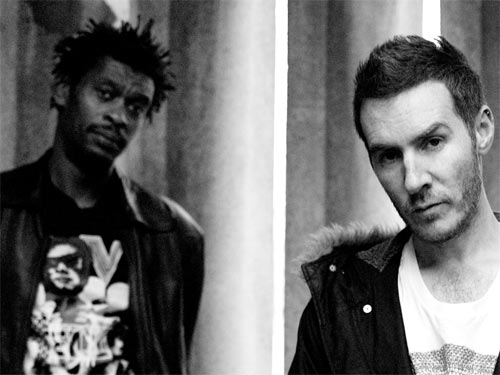
G and D

G and D

It had menace, of course. It evoked flickering neon lights in deserted tower blocks on the edge of lonely cities late at night. It had relentless, messed-up beats. It glitched and stuttered like neurons firing when you’re deep asleep. Naturally, the basslines were… massive: sinuous, streamlined, slinking, beating like alien hearts. Sometimes the album was simply beautiful and pure.

It worked whispering to your soul via headphones, or blasting earth-shaking beats in front of 20,000 people.

It also saved me. It came out the day before a cataclysmic event in my life, one which reset everything, ending life as I knew it up to that point, leaving me in a new, empty wasteland. For a long time, there was nothing. I couldn’t watch movies, or TV. Or read books. Or listen to music.

What came back first was writing; that was the life raft that saved me. Words came out of the darkness and took my hands and showed them how to make more words. And then came 100th Window, which I’d been holding onto, waiting for a time when I could really hear it. I listened to it, over and over again, writing furiously all the while, as all my emotional systems came back online. I listened to it as the sky turned magic hour dark blue and held in a twilight stasis, the light lingering in the west until dark finally claimed it, bringing stars. It became the soundtrack for the rest of the year, as I used writing to change my life, to change everything. I remade my world while 100th Window still played, still kept consuming me and my imagination and my soul.

It’s a set of tracks to lead you out of darkness. The title came from the admittedly paranoid (and classically Massive Attack) idea that no matter how impregnable you think your defenses are, something can always get through (if you put bars over 99 windows, someone will break into the 100th window). But it works the other way too. You may think all your paths are blocked, that nothing can get you through this. But even if 99 paths are blocked, the 100th is there waiting for you to take it, follow it, and find your way to wherever you need to be.

Thank you, Robert Del Naja and Neil Davidge, for creating this extraordinary piece of music.